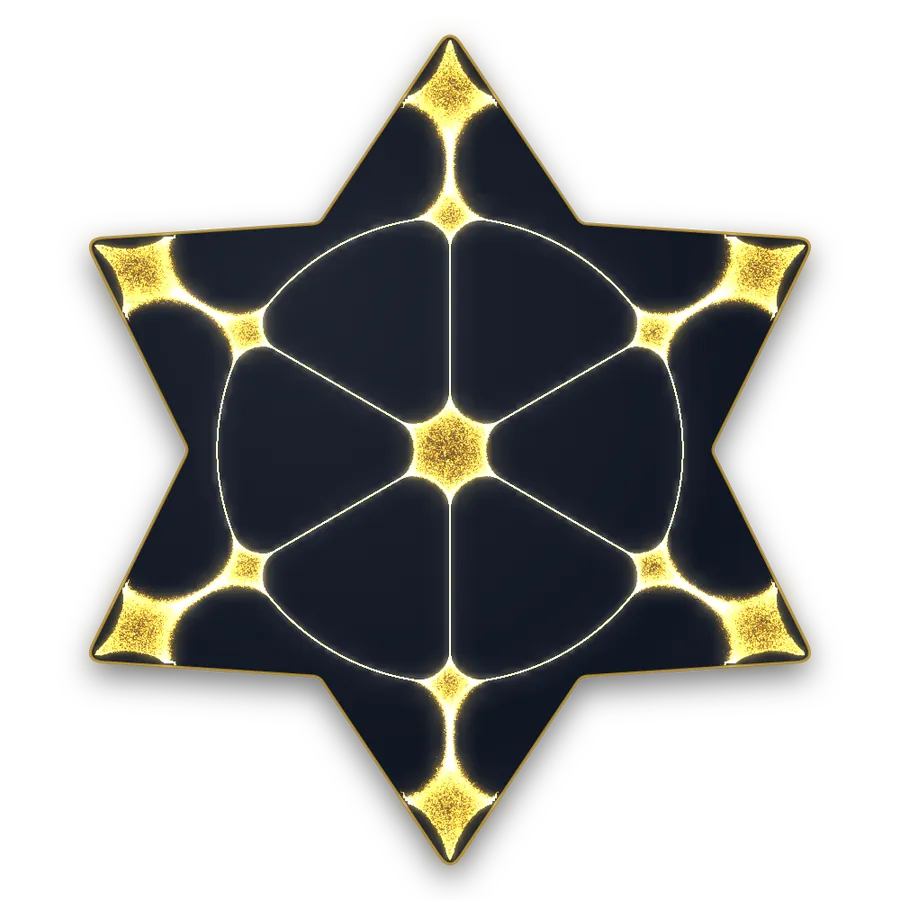
Sound Figures
See what sound looks like.
Explore fifty geometric designs inspired by cymatics, Chladni figures and mathematical wave patterns: stars, rosettes, flowing curves and mandalas, ready for your colors.
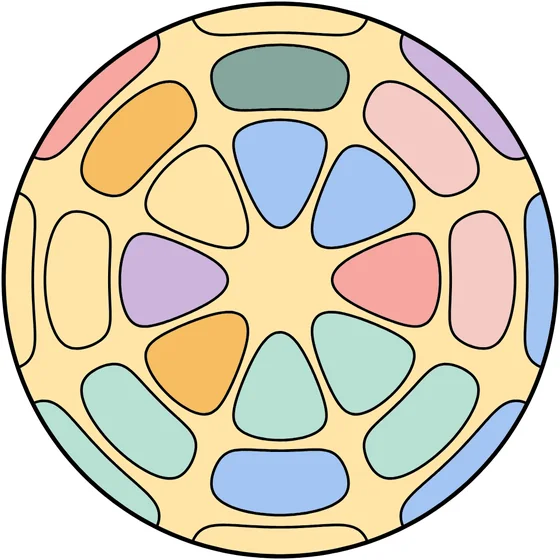
Play the sound plate
Choose a shape and move the frequency slider to explore an artistic wave simulation. The tones use an illustrative scale; the patterns are not exact predictions for real metal plates.
Tip: use the arrows to jump from one resonance to the next. Sound is off by default.
From sound to coloring page
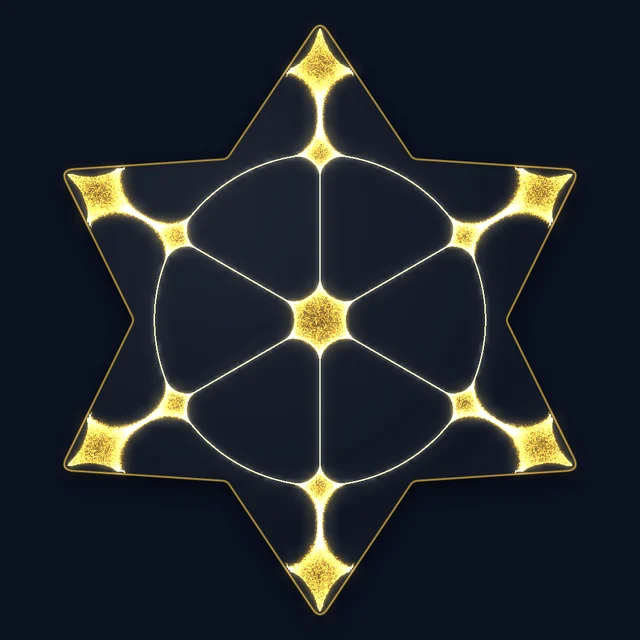
The plate vibrates
A tone makes the plate vibrate. The sand bounces away from the moving areas and settles where the plate stands still—on the nodal lines.
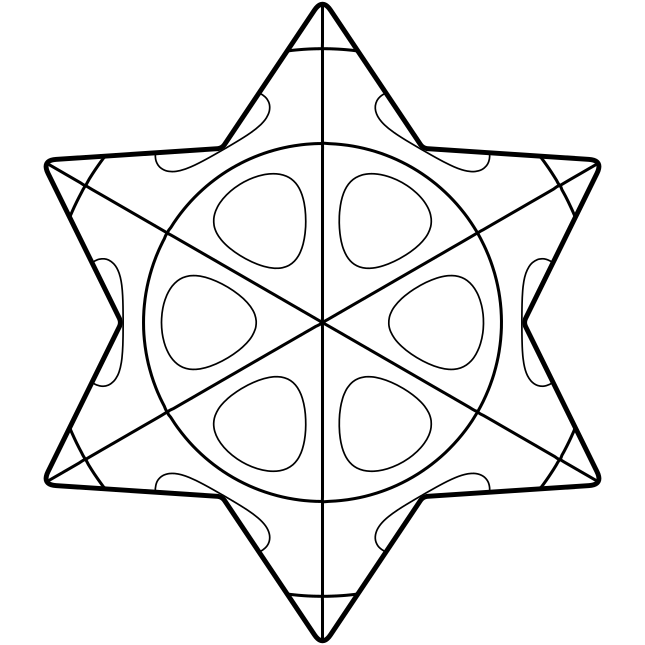
The lines are drawn
Mathematical wave patterns are transformed into line art. The book combines these patterns with geometric shapes and artistic variations.
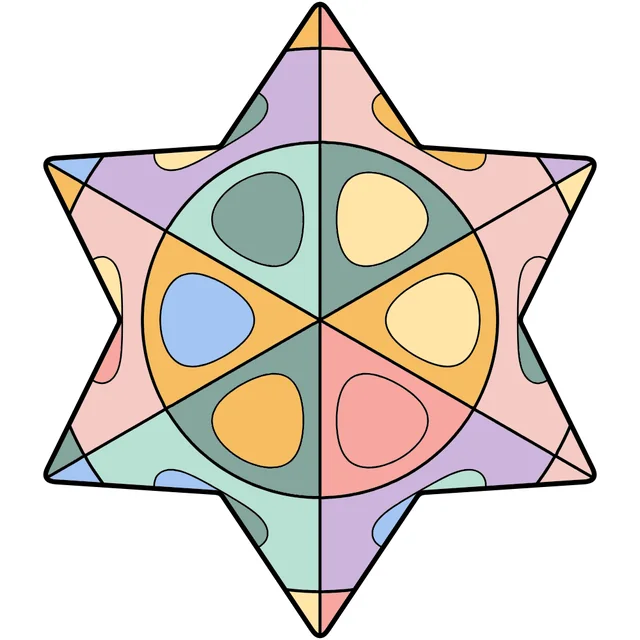
You make it glow
Try two alternating colors to bring out repeating shapes, or explore a palette of your own.
50 figures—no page repeated
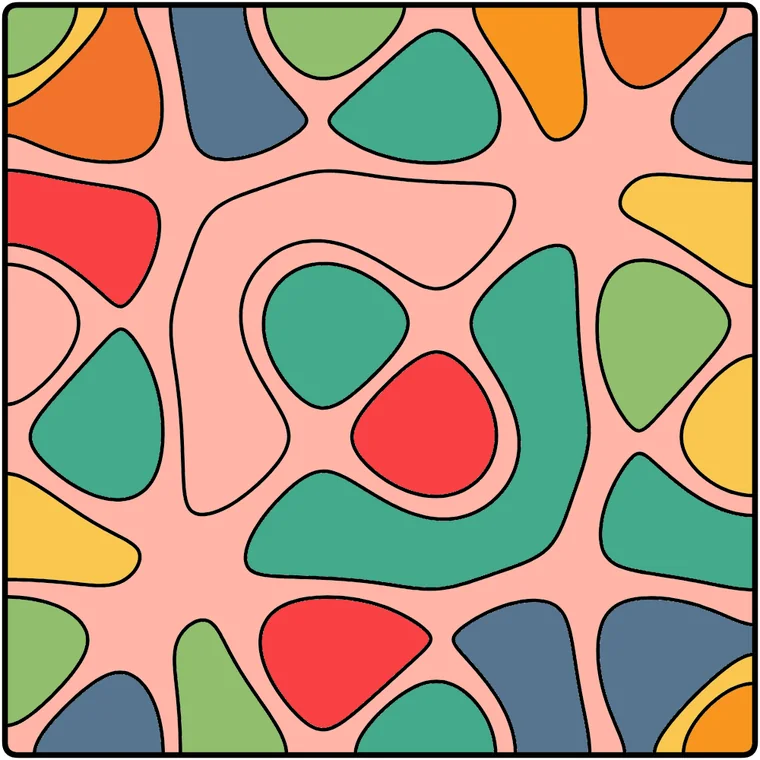
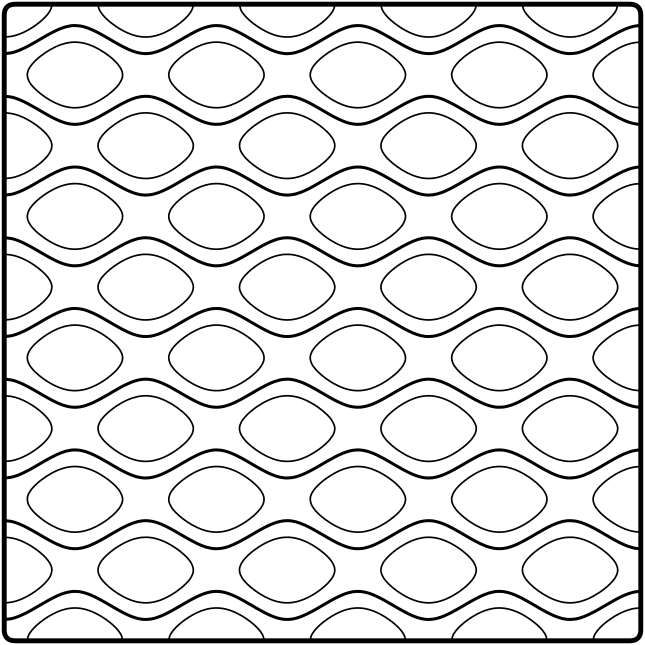
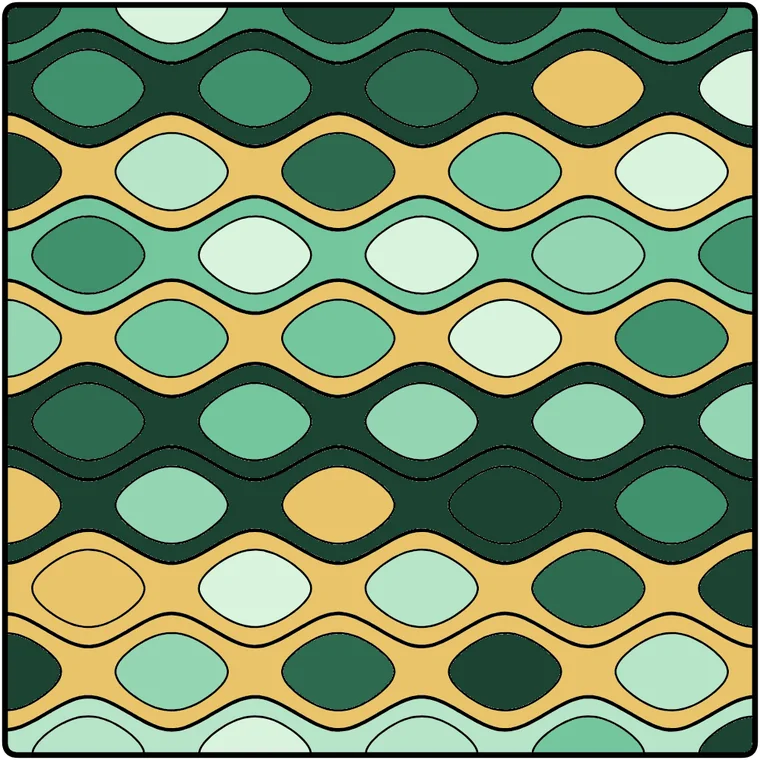
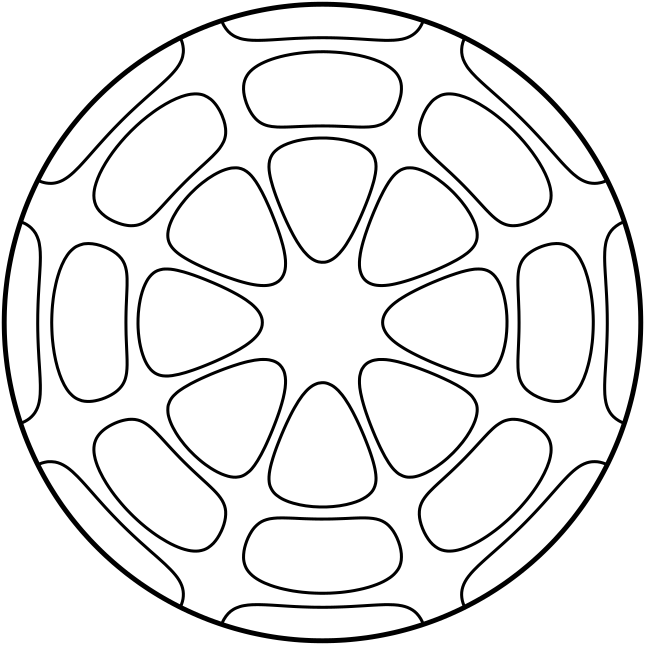
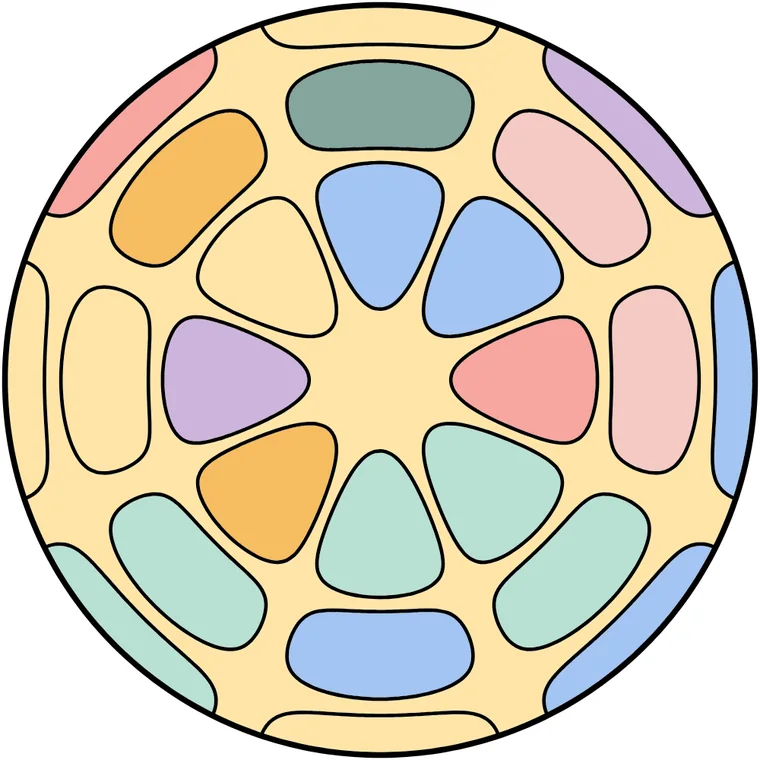
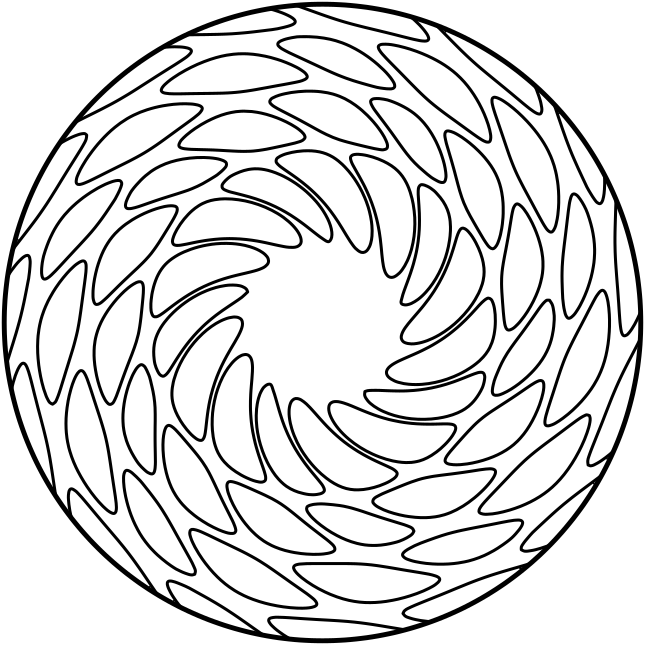
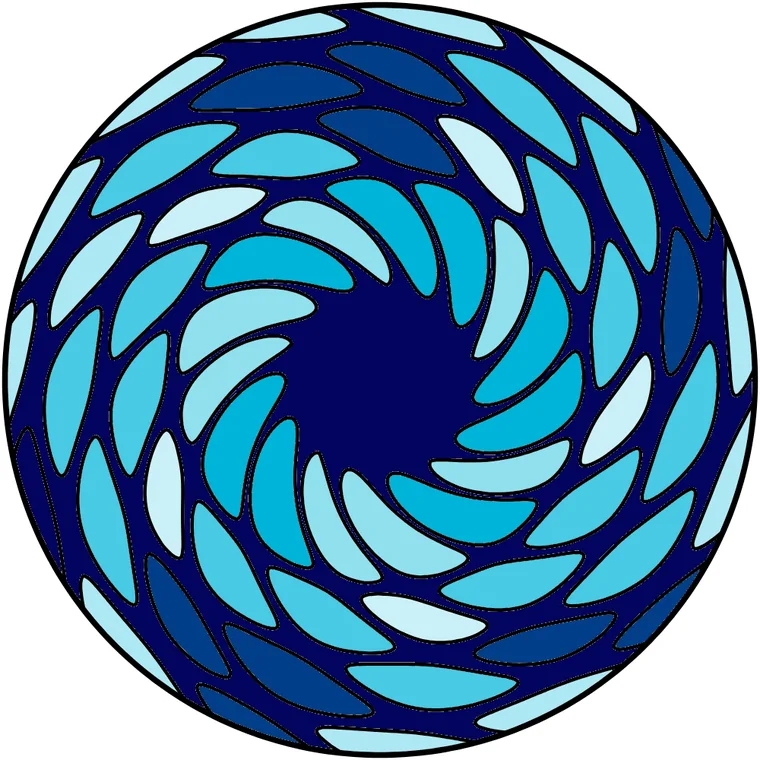
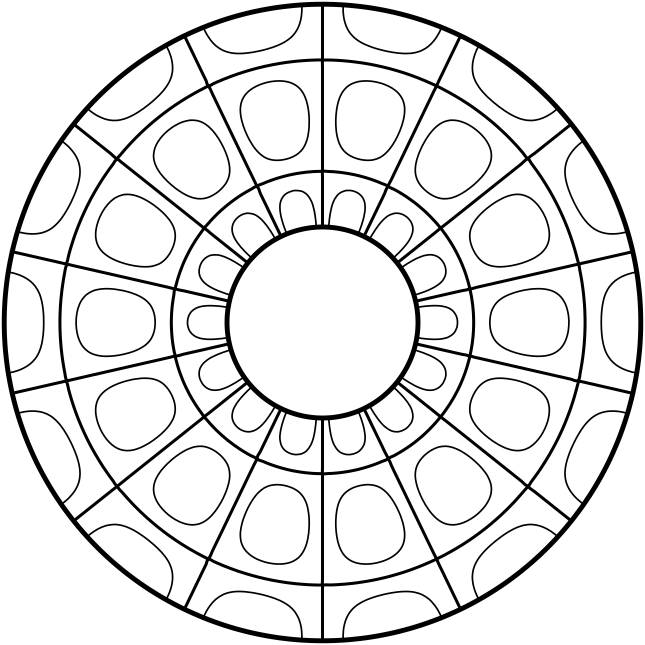
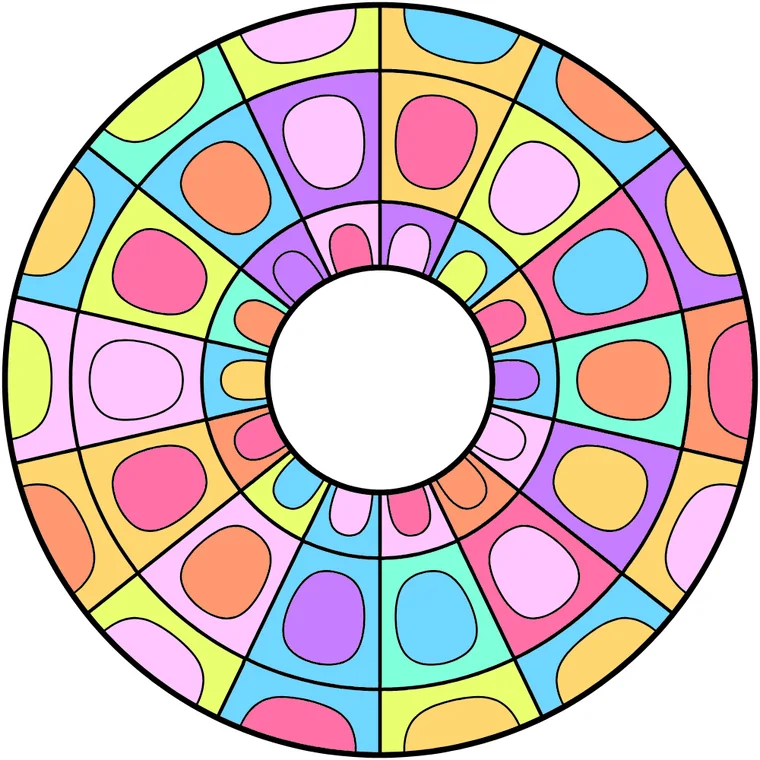
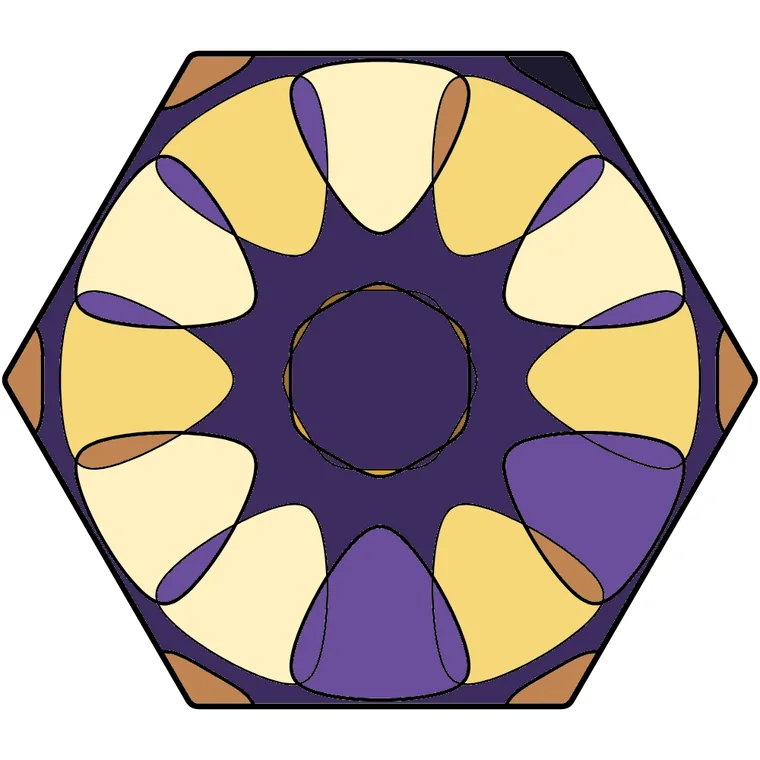
Hover over a page (or tap it) to see how it might look once it’s colored.
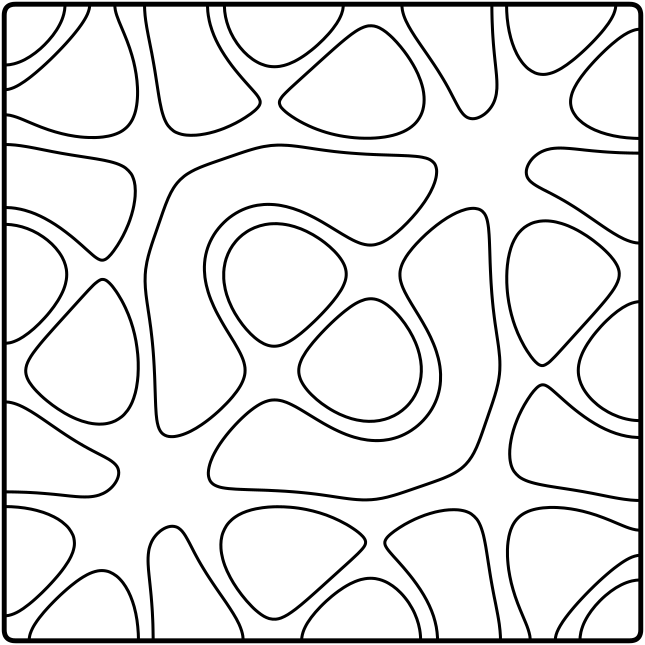
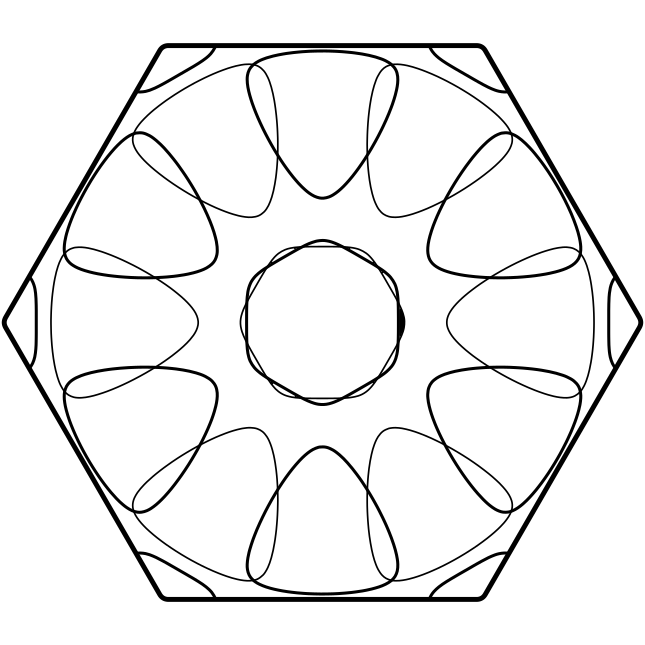
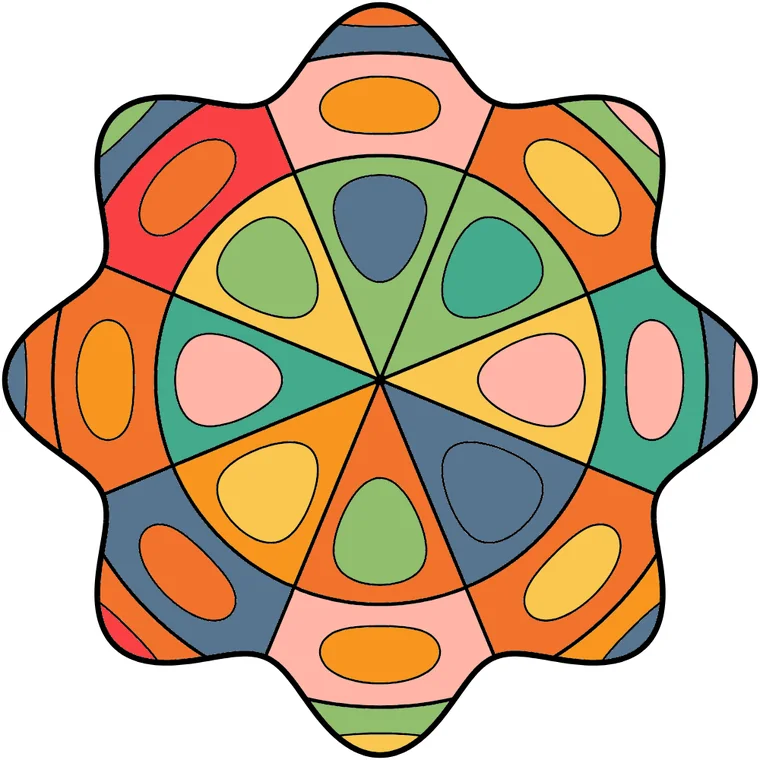
Six plates, six worlds
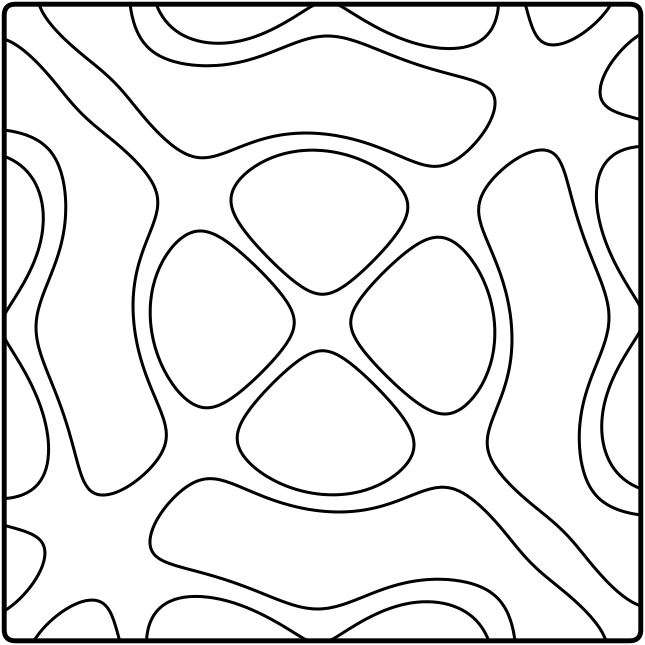
The Square Plate
Chladni’s classic brass plate: crosses, diamonds and stars.
The Circular Plate
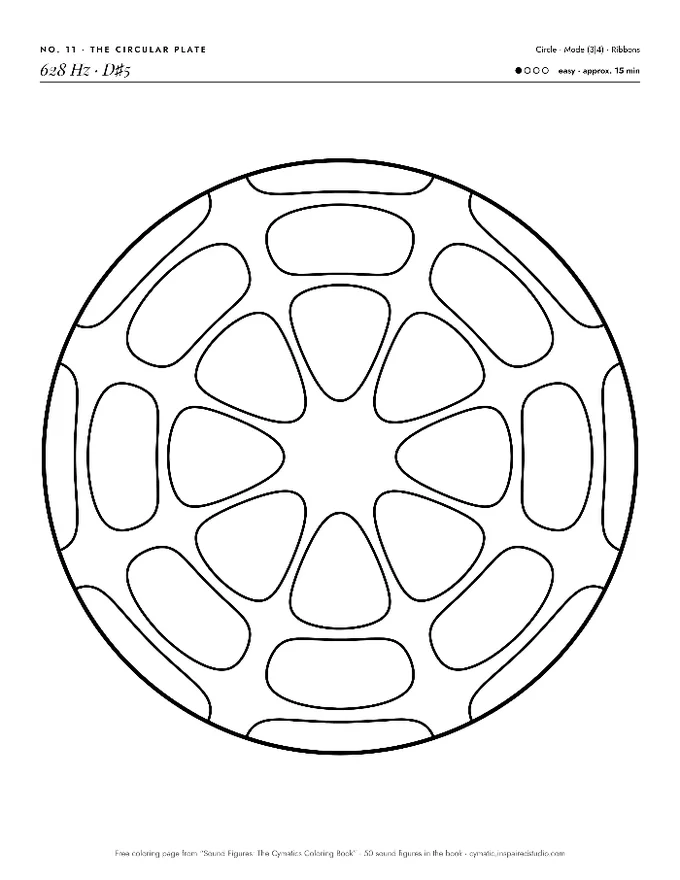
Rings and spokes arrange themselves into rosettes and mandalas.
The Cymbal
A plate with a hole—the waves circle around the center.
The Hexagon
Six wave directions: honeycombs, stars and crystal lattices.
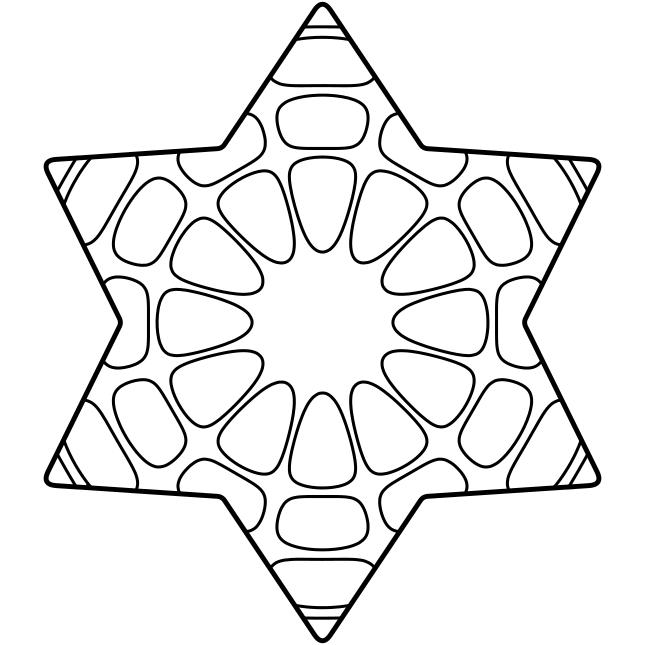
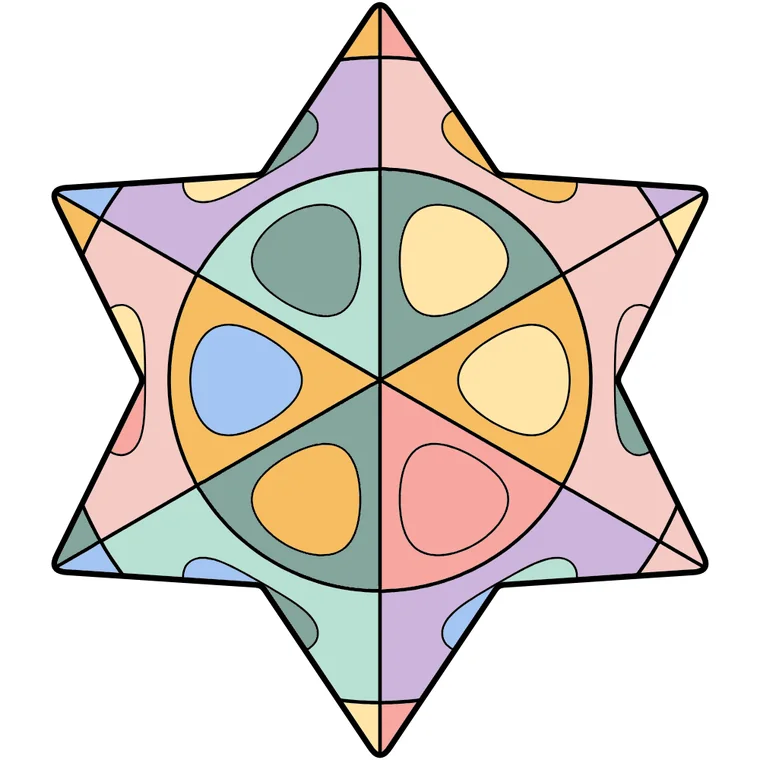
The Star
A six-pointed outline frames flowing curves and repeating shapes.
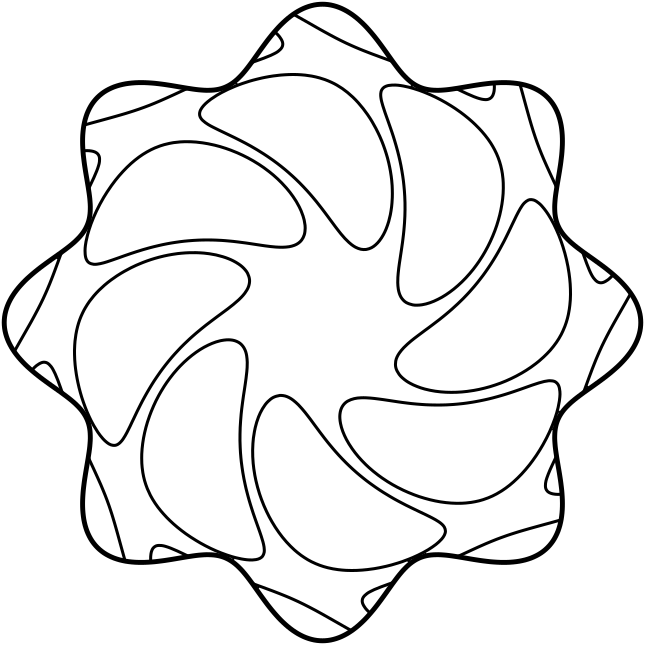
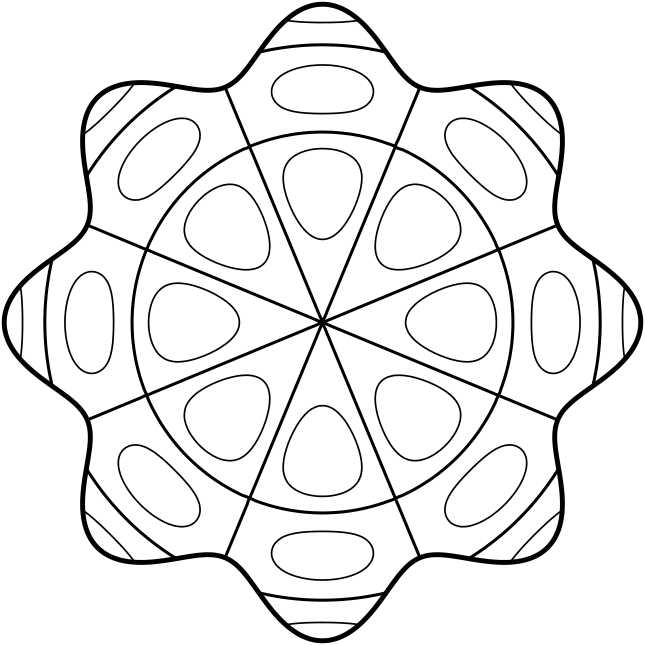
The Flower
A rim of petals—home to rosettes and spirals.
Try it right here
Pick a color and tap a space. Three real pages from the book—no sign-up, right in your browser.
Tip: alternate two colors to emphasize rhythm and symmetry.
For everyone who unwinds while coloring
Mindful moments
Flowing lines and clear symmetry turn coloring into a small meditation.
Music & sound
For musicians, singing-bowl fans and anyone who loves sound. Each page includes an illustrative tone label.
Physics & geometry
Mathematical wave patterns and artistic transformations inspired by the science of vibration.
Teens & adults
Four difficulty levels, from large, calm spaces to intricate patterns.
Your free page to print
Figure no. 11 from the chapter “The Circular Plate” as a US Letter PDF. No sign-up, no email—just print it, grab your pencils and start.
What about the bonus pages?
Six extra sound figures on plates that are not in the book—heart, triangle, pentagon, octagon, violin plate and five-pointed star. You’ll find the QR code at the back of the book.
Frequently asked questions
What is cymatics?
Cymatics is the study of visible sound and vibration. In 1787, Ernst Florens Friedrich Chladni sprinkled sand on metal plates and played them with a violin bow. The sand gathered on the lines that stay still while the plate vibrates—the nodal lines. Today these patterns are known as Chladni figures or sound figures.
Are the figures in the book real?
The designs are artistic interpretations made with mathematical wave models and geometric transformations, not exact simulations of every pictured plate. Tone labels use a compressed, illustrative frequency scale rather than measured physical resonances. Mode labels identify generator settings.
What should I color with?
Colored pencils, fineliners and markers. All coloring pages are single-sided. With markers, slip a sheet of cardstock or scrap paper underneath anyway to keep ink from bleeding through.
How difficult are the pages?
Every page shows its difficulty (easy to expert) and an approximate coloring time. In each chapter the figures start with large spaces and grow finer page by page.
How do I get the bonus pages?
There is a QR code at the back of the book. It takes you to a page where you can download six bonus sound figures as a PDF.
Is there a German edition?
A separate German edition, “Klangfiguren: Das Kymatik-Malbuch”, is planned. Availability will be shown here when it is published.
See what sound looks like.
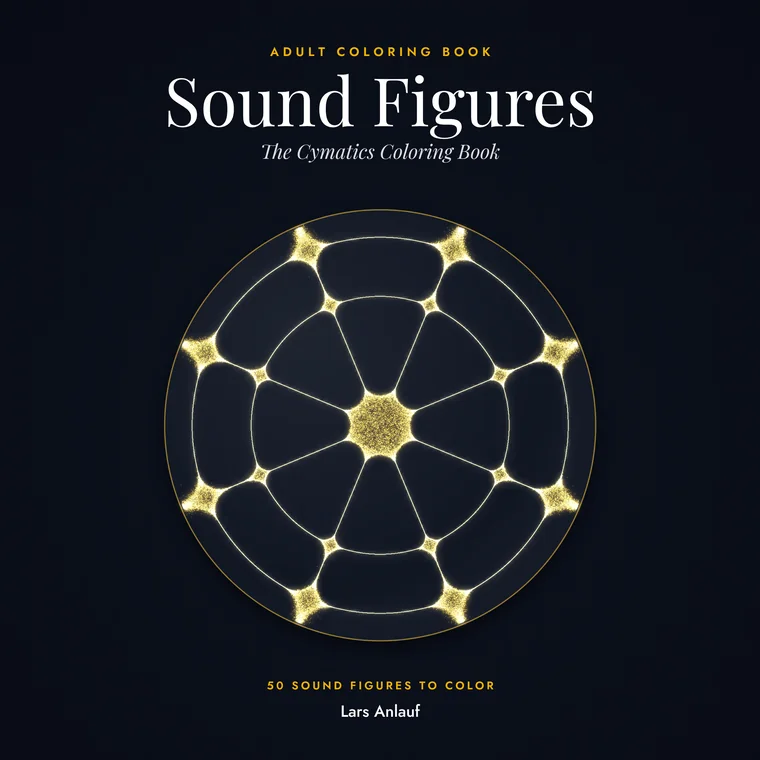
Sound Figures: The Cymatics Coloring Book. Discover 50 wave-inspired designs to color.
View on Amazon →